

Good afternoon, friends—I hope you’ve been well. Apologies for my prolonged absence: life has been quite busy as of late. (Not that you’re complaining about an empty inbox.) Below are a few life updates, including a recent piece I wrote for the Western Tribune, a newsletter I authored for ASU Alumni for Free Speech (with the indispensable support of Landon Miller, our Operations Director), a new website I built for my grandpa’s consultancy (thanks for your help, Claude), and some upcoming events.
Arizona’s Promethean Spirit

Some look at Phoenix and other desert civilizations as monuments to man’s hubris. But I cannot help but find something deeply human in such striving. Despite 120-degree summer heat, despite drought after drought, despite all the vicissitudes of desert life, brave people have decided again and again to risk their lives to build a home among bramblebush and rolling sandstorms.
Our ancestors’ spirit of daring still satiates the Great American West, a sign not simply of man’s hubris but of his invincible soul. This spirit will be the wellspring of Arizona’s flourishing if we chart a course between Scylla and Charybdis—between recklessness and cowardice. Aristotle understood the purest form of courage as exhibited by those who clearly understand the risks associated with a brave deed, but who act nonetheless. So too did Joan Didion in describing those who possess “self respect”: “when they do play, they know the odds.”
So let us not allow our Promethean spirit to cloud our judgment, nor permit our foresight to thwart our ambitions. We will build a garden in the desert—a grand civilization in the wilderness.
ASU Welcomes Its Largest Class of Sun Devils To-Date

We often imagine students’ interactions with higher education in static terms: Our mind’s eye pictures most students attending a four-year institution in person, at a brick-and-mortar campus, replete with pine trees and grass lawns. We also presume that these students are coming straight out of high school. ASU shows how mistaken that picture is. Many ASU students, particularly those taking online courses, are up-skilling after already working for at least a few years—and many of them attend classes virtually. (While we don’t have pine trees at the Tempe or Downtown campuses, we do have palm trees—so perhaps at least that part of our mental model remains intact.)
These realities complicate how higher ed reformers understand our mission, and ourselves. Yes, the culture wars matter, and we need to exert energy to support on-campus students’ rights to self-expression, professors’ rights to articulate controversial opinions, and the university’s right (indeed, its obligation) to maintain an academically rigorous set of course offerings. But this will not be accomplished in the same way in Cambridge or New Haven as it will be in Tempe.
We will need to imagine new strategies that account for online learners’ experience without neglecting in-person students. We will need to uphold academic rigor for online students, who are taking courses that are all too easy to ace without having learned much of anything. We will need to work with the administration—one far less insular and full of itself than the Ivy League; one far more open to the democratic promise of a college education than the Ivy League—when possible, to protect free expression, academic freedom, and academic excellence.
What I’ve been reading/listening to
The Sun Devil’s Bargain — Craig Ruiz: “By promising an education accessible to anyone, ASU not only fulfills its role as a steward of the Arizona public, but also cultivates a culture dedicated to the state’s democratic heritage.”
What Problems Should AI Be Solving? — Roland Fryer: “If one America uses AI to eliminate every friction in an already comfortable life while another still spends an afternoon trying to figure out whether it qualifies for food stamps, we shouldn’t be surprised if the second concludes that capitalism has failed it—and asks government to divide the abundance some other way.”
Ivy League students are suffering from religious illiteracy — Gregory Conti: “Secularization is sometimes (wrongly, in my view) celebrated as a victory for reason over superstition. But a lack of contact with religion — and particularly with Christianity and its history — is an obstacle to mastering many subjects and to attaining the kind of broad cultural competency that higher education is expected to provide.”
New blog URL
While this blog remains hosted by Substack, it is now officially hosted on blog.joepitts.net. :)
New Pitts & Associates website

I recently helped my grandfather build a new website for his consultancy (yes, he’s still working, even though his 79th birthday is just around the corner). Check it out here.
Upcoming events
The 1912 Institute is a hosting a mixer with ASU Law School’s Abundance Society from 6-7p MT at the law school in Downtown Phoenix. More information to come.
I am delivering the keynote address at the Arizona Department Education for Arizona’s finalists for the US Senate Youth Program. I will be sure to publish my remarks after the fact.

I’m co-hosting a Christmas Party in Washington, DC on December 12. RSVP now.

I’m co-hosting a Halloween Party in Washington, DC on Halloween. RSVP now.
Various life updates
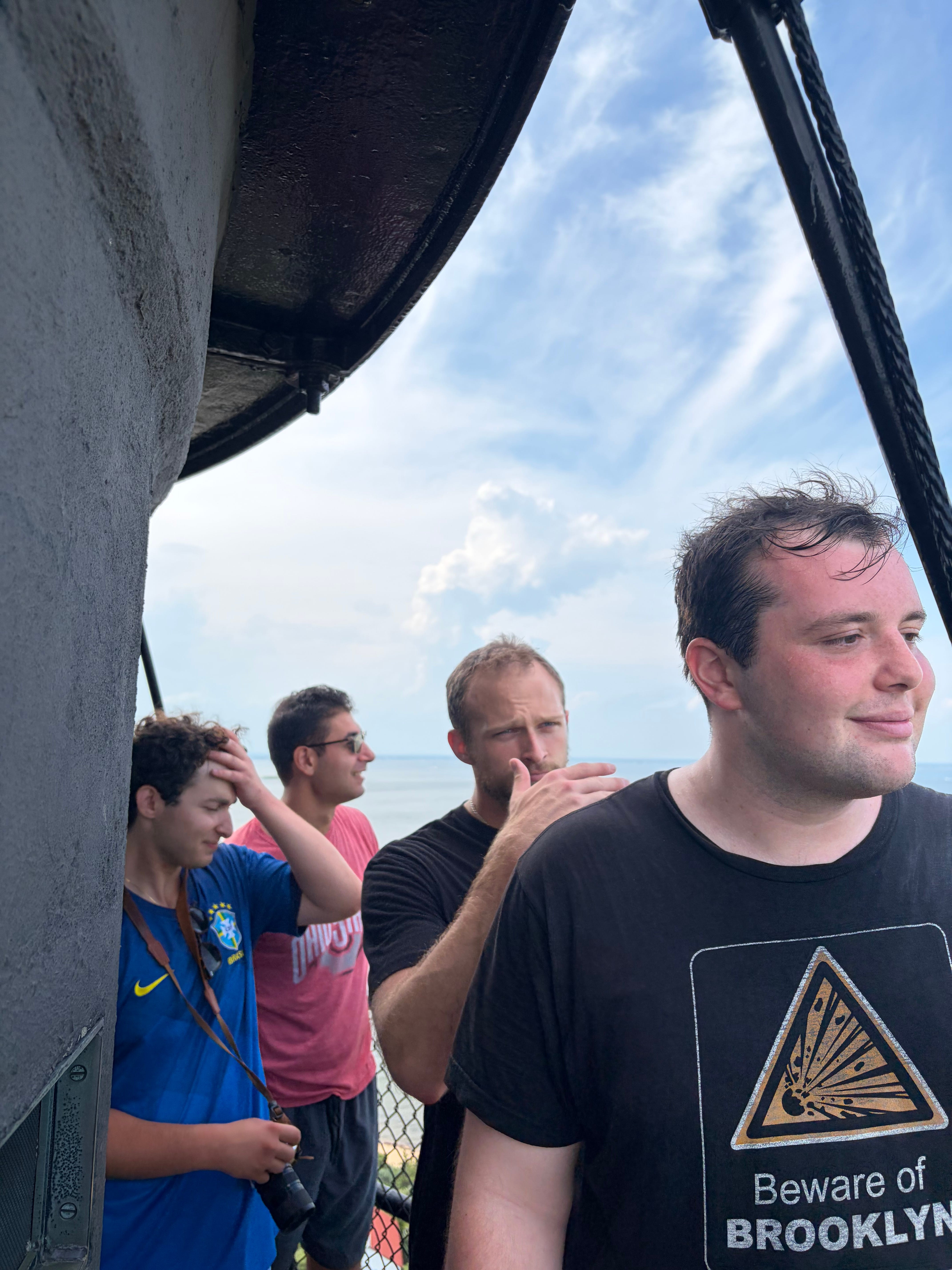
I visited Fire Island for a weekend with some friends from DC. It’s a lovely island.
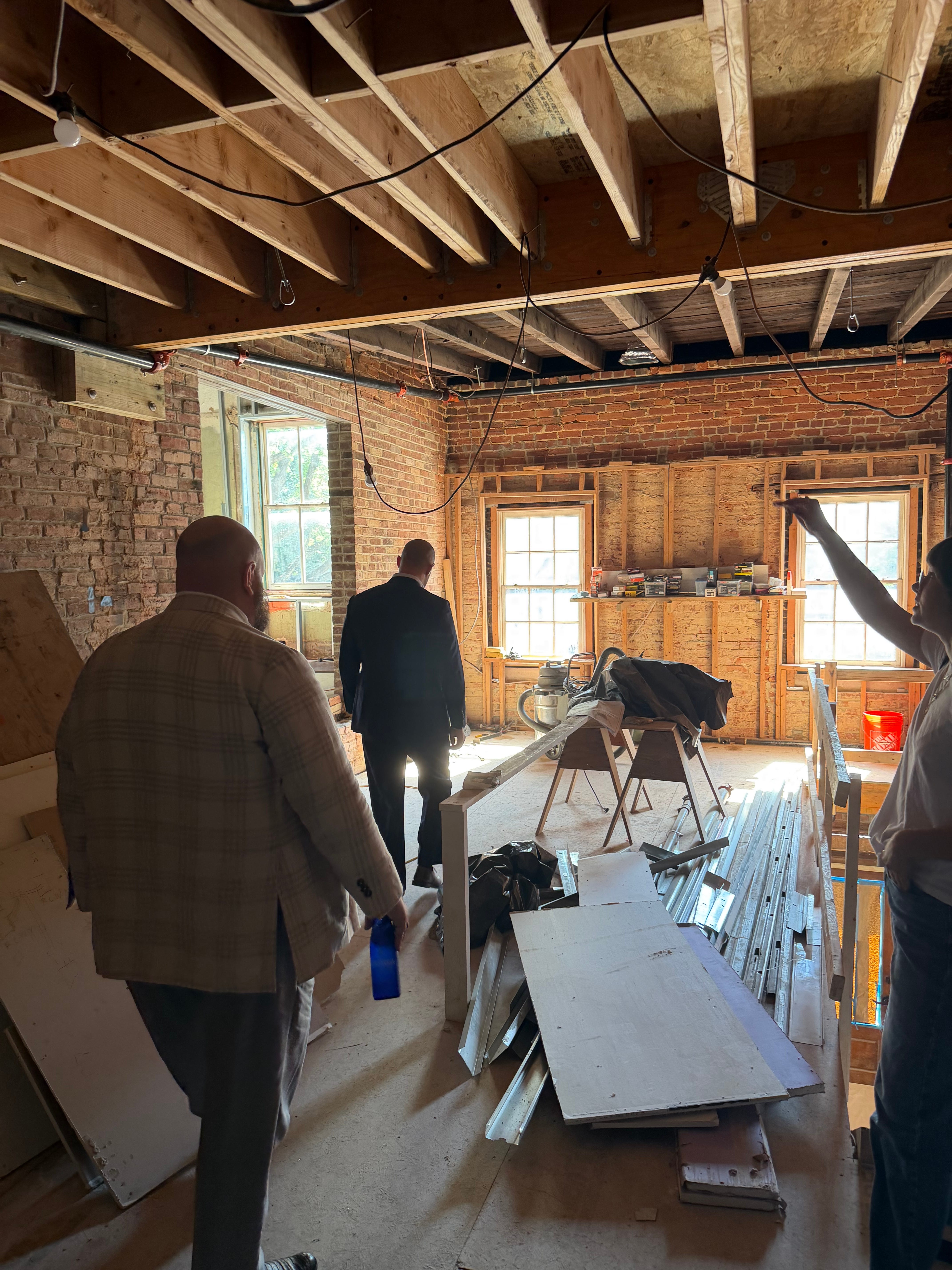
Got to tour Shepherds’ new DC location (which, as you can see, is a work in progress). More to come here. We will be hosting a Christmas party once the shop is fully off the ground later this year. More information here—all are welcome!
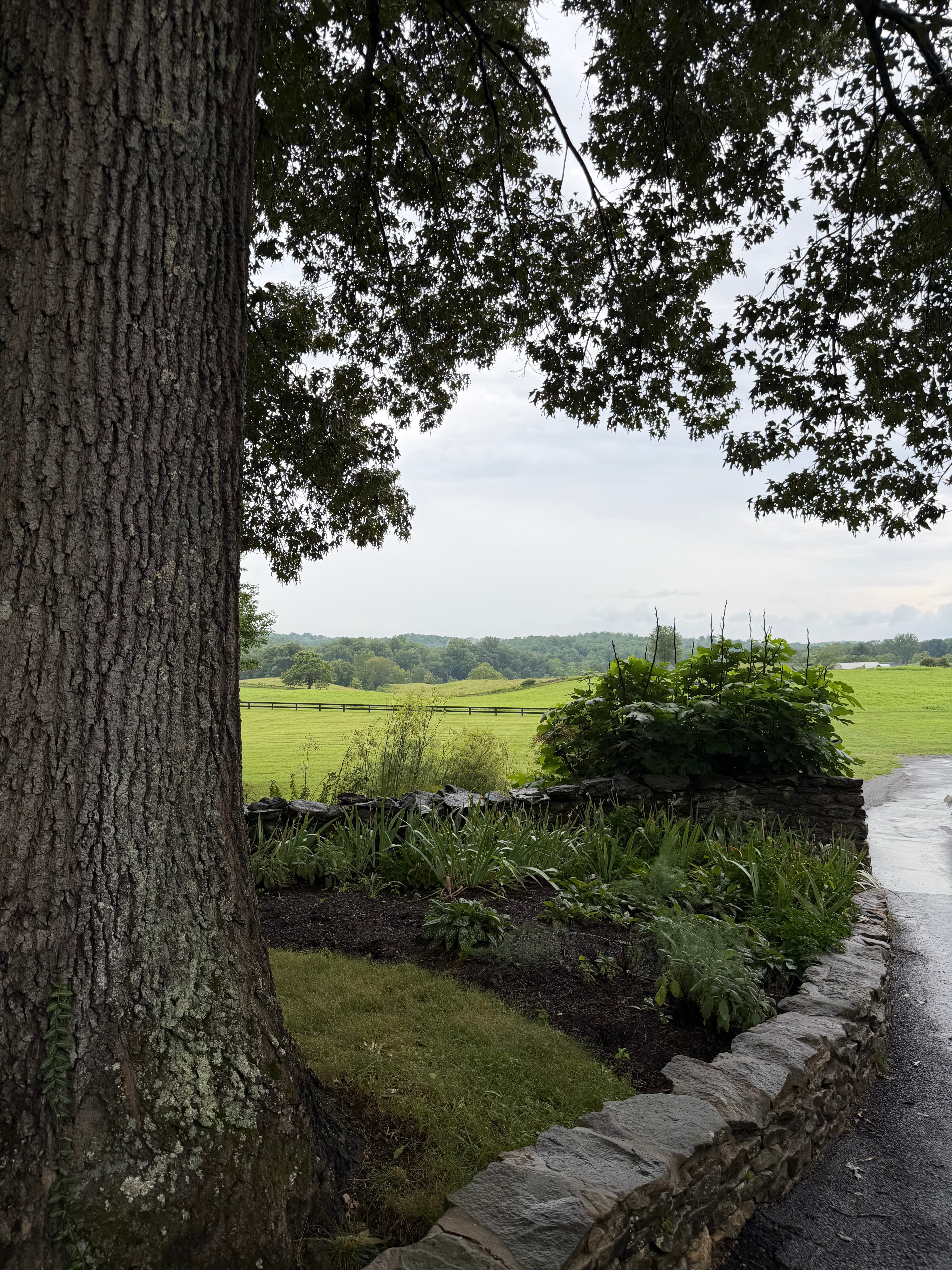
I recently took another day trip to Middleburg, Virginia. What a lovely town.
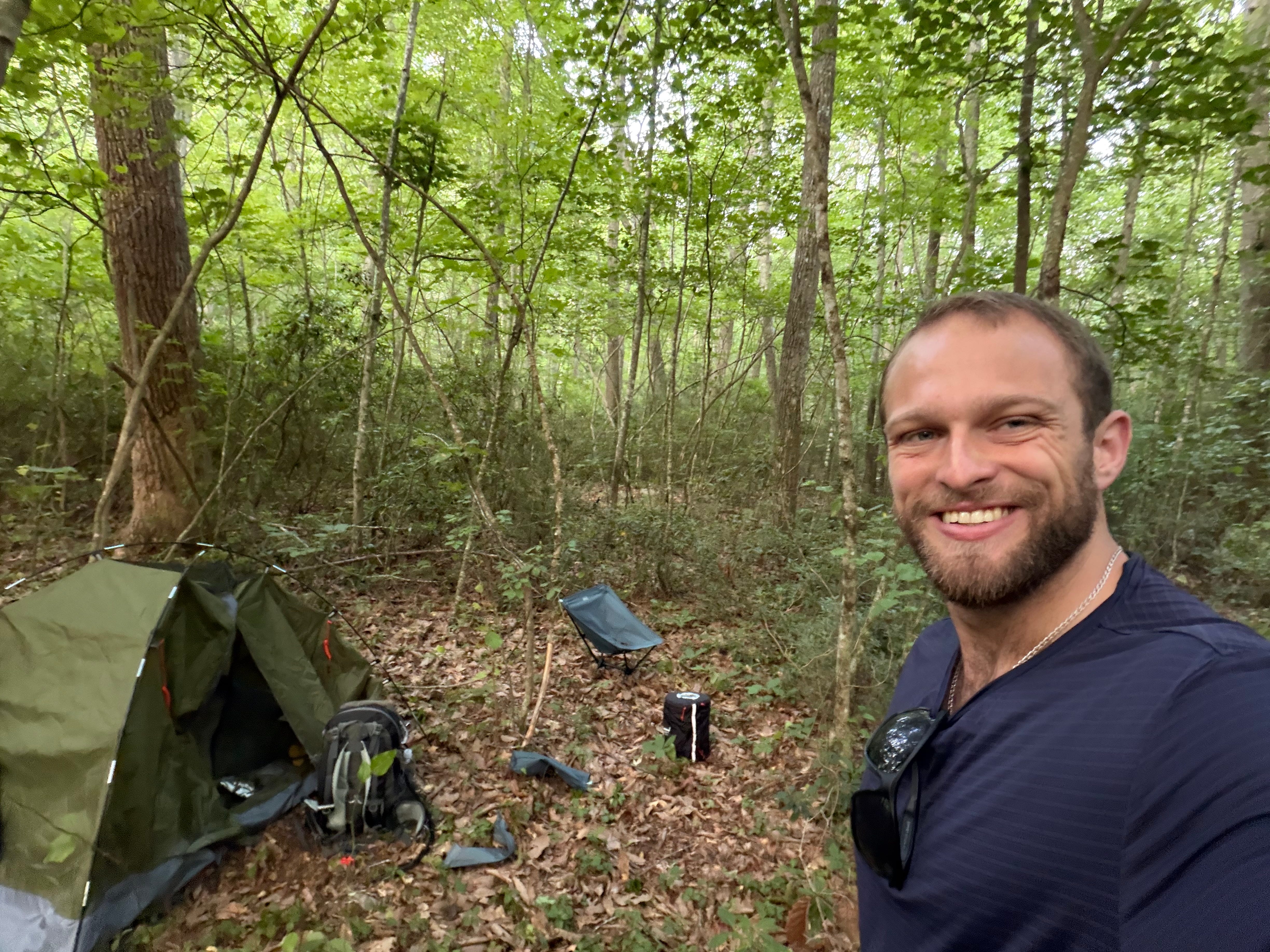
I spent one night camping in Shenandoah National Park.
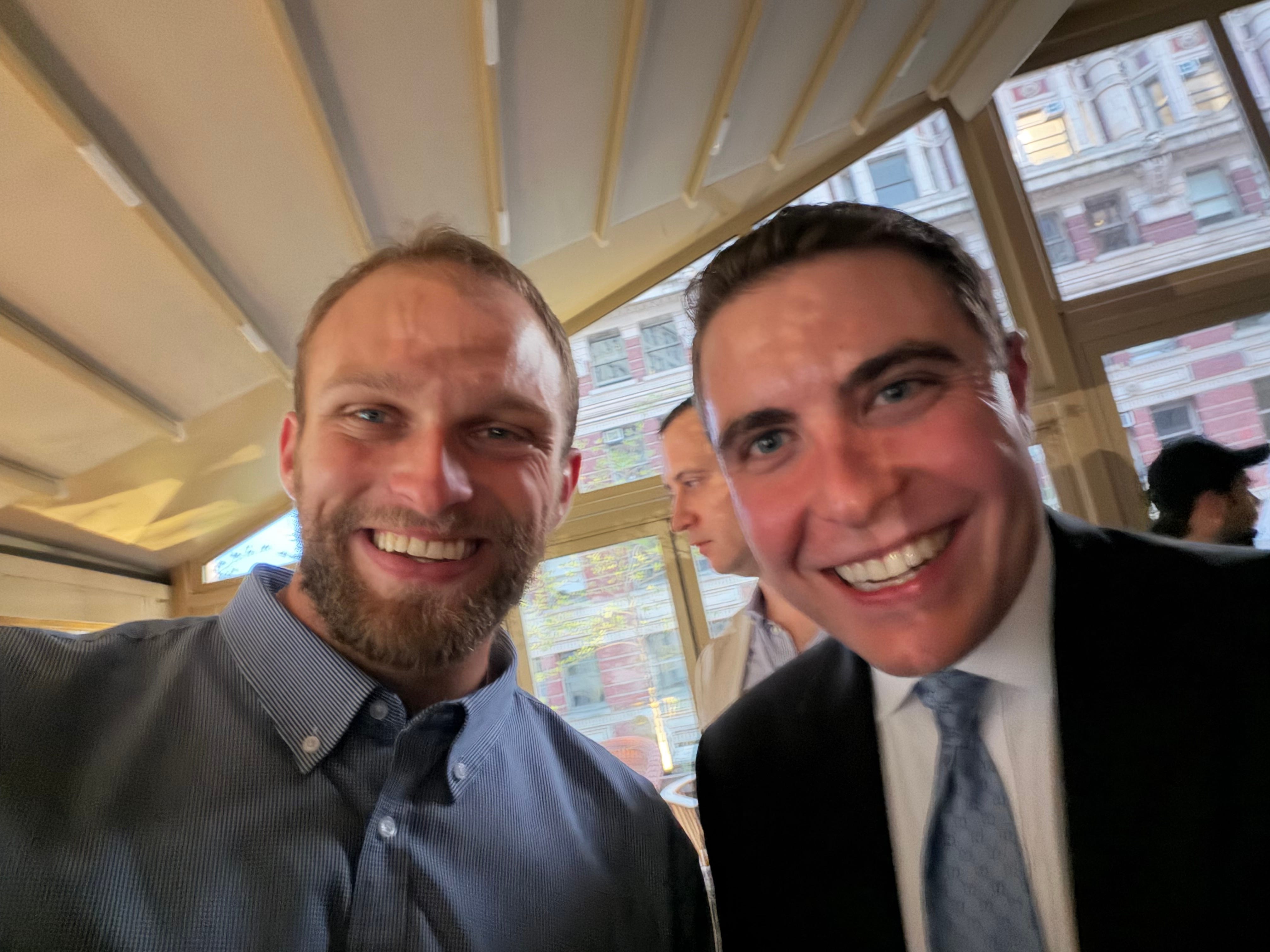
Connected with friends old and new at a wonderful event put on by the Manhattan Institute’s Empire Society in New York City.
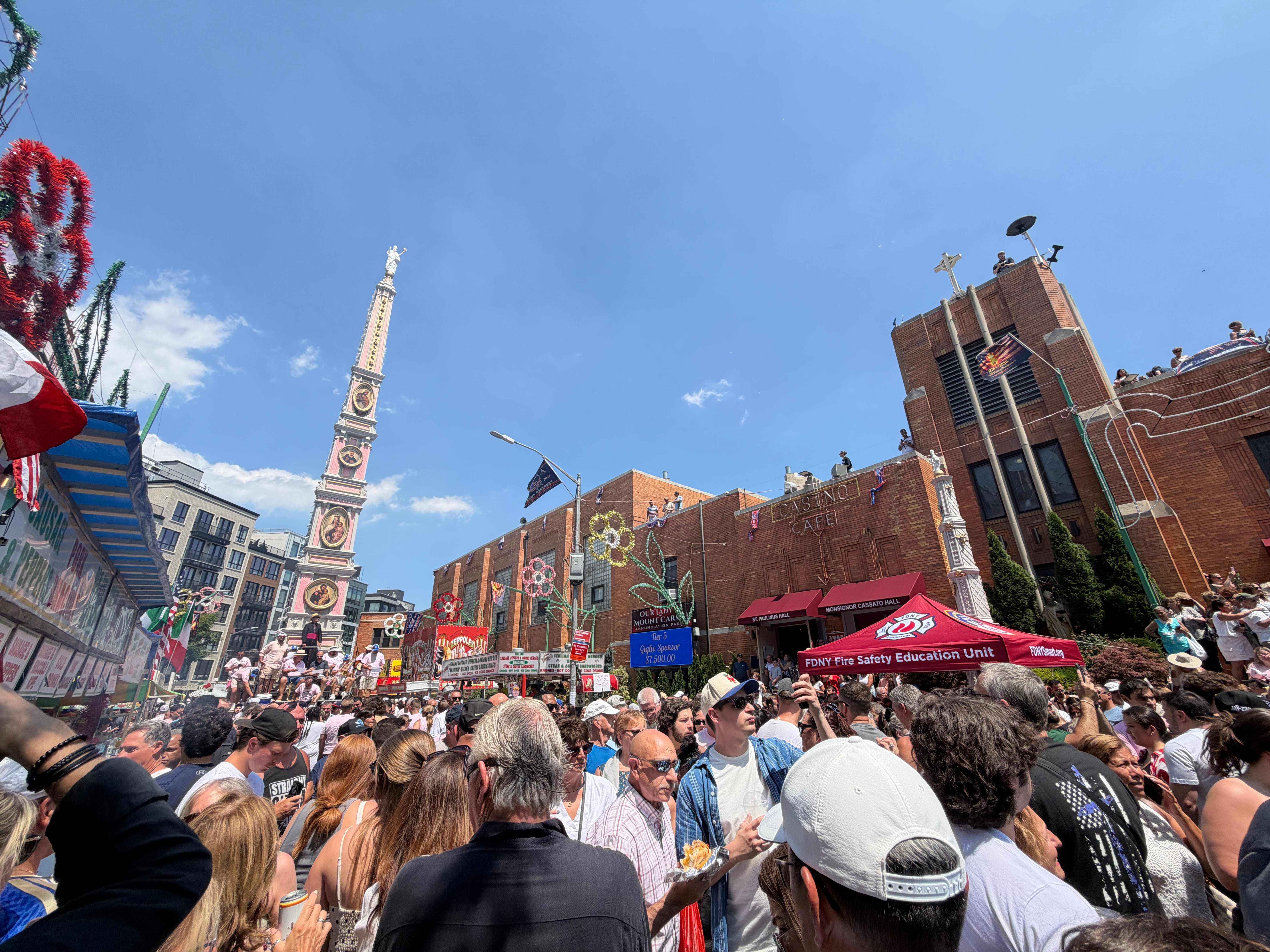
I attended this year’s “Giglio Lift” in Brooklyn. Basically, 70 Italian men carry around a 4 ton obelisk in memory of Saint Paulinus. Highly recommend!